Scorpion venom peptides: what the research shows
Scorpion venom peptides are drawing fresh scientific attention for liver and inflammatory disease. Here is what preclinical studies have found so far.
Read the story →Scorpion venom peptides are drawing fresh scientific attention for liver and inflammatory disease. Here is what preclinical studies have found so far.
Read the story →Stories we think will still matter next month.
An updated systematic review grades peptide therapeutics across functional and evidence-based classes, offering comparative effectiveness insights in peptide drug science.
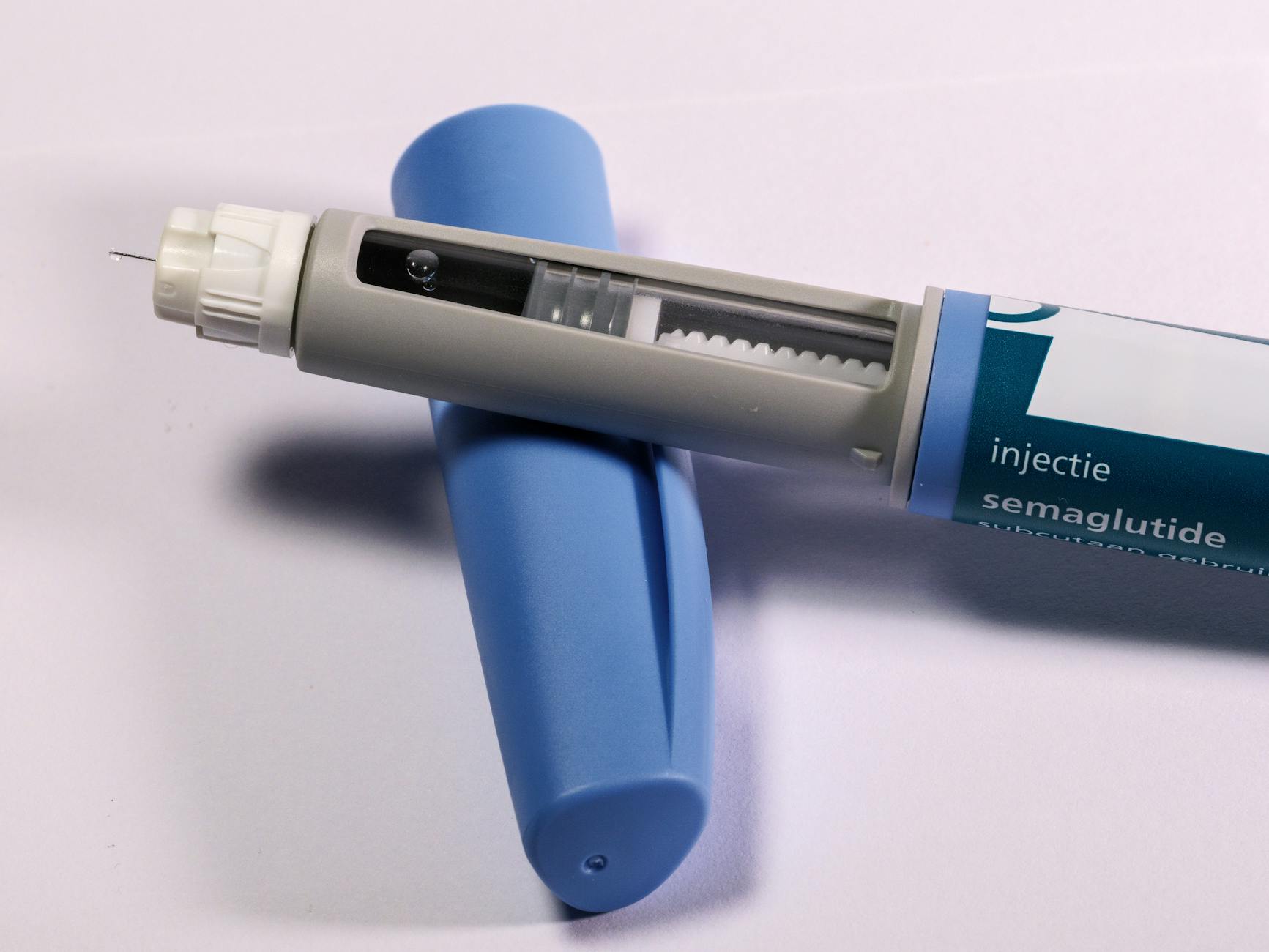
New research tracks how semaglutide policy changes at the FDA and Medicare level shifted prescription fills—and what that means for access and coverage.
A new phase 3 vosoritide trial targets hypochondroplasia in children. Here's what the CANOPY HCH-3 study design reveals about the CNP analog peptide.
A first‑in‑class non‑GLP‑1 peptide—AT7687, a GIPR antagonist—has entered public awareness, marking a mechanistic departure within metabolic peptide therapeutics.
MBX Biosciences has begun dosing the first patient in its Phase 3 oPTimize trial of canvuparatide for chronic hypoparathyroidism, positioning it as potential best‑in‑class PTH replacement therapy.
FDA’s revised draft product‑specific guidance for generic peptide products may reshape approval paths for generic peptides and influence competition and availability.
Six new studies examine GLP-1 adoption patterns, clinician attitudes, neuropsychiatric signals, and emerging uses—here is what the evidence shows so far.
The lens we bring to every compound we cover.
Not every peptide is studied to the same depth, and the distance between a compound with replicated clinical trials and one resting on a single animal paper is the whole story.
We sort every compound we cover into four tiers by the strength of its evidence and its regulatory standing, never by how popular or interesting it is. Many of the most talked-about research compounds sit in the lower tiers precisely because the human evidence is still thin. A tier is a reading aid, not a verdict.
Approved · specific indications
FDA-approved drugs with large, replicated clinical evidence. The research-grade material sold under these names is not the approved medicine.
Representative Tirzepatide · Tesamorelin · PT-141 · Oxytocin
Investigational or foreign / narrow approval
Real clinical evidence, often Phase 1–3, but not FDA-approved: still investigational, or cleared only abroad or for a single narrow use.
Representative Retatrutide · Cagrilintide · Thymosin Alpha-1 · SS-31
Not approved · research use only
Well characterized in cells and animals, with limited or no human outcome data. Several carry specific safety cautions of their own.
Representative Ipamorelin · MOTS-c · GHK-Cu · Epithalon
Not approved · research use only
Early, narrow, or largely single-research-tradition evidence — and, in places, unresolved questions about a compound’s identity or sequence.
Representative Cardiogen · Pinealon · Vilon · Melanotan II
Browse the research library — 51 compounds, tier by tier →
Each compound is described within the systems and populations actually studied: what the published literature and the regulatory record report, and nothing further. None of it is medical advice or a recommendation for use; unless noted, these compounds are sold for laboratory research only.
The evergreen pieces — start here if the field is new to you.
A newsletter is on its way. Until it arrives, the feed is open — or send a note and we’ll write to you when the first issue ships.
Peptide News Network is a science publication whose stated mission is translating peer-reviewed research into plain language for a general audience. It covers topics across four main sections — Research, Clinical Trials, Regulation, and Industry — and also maintains an Explainers section for foundational science. The site is designed for readers who want to follow developments in peptide science and medicine without needing a specialized background, while still engaging with material that is grounded in the published scientific and regulatory record.
⚠️ Disclaimer: The content on Peptide News Network, and the information in these FAQs, is for general educational purposes only and does not constitute medical advice, diagnosis, or treatment recommendations. Always consult a qualified healthcare professional before making any health-related decisions.
Peptide News Network uses a four-tier Evidence Appraisal system to communicate the strength of the scientific evidence behind each compound it covers. Tiers are assigned based on the quality and depth of research and regulatory standing — not on a compound's popularity or how interesting it is. Tier I contains FDA-approved drugs with large, replicated clinical evidence (5 compounds, including tirzepatide and tesamorelin). Tier II contains compounds with real clinical evidence — often from Phase 1–3 trials — but that are not FDA-approved, or are approved only abroad or for a narrow use (11 compounds, including retatrutide and cagrilintide). Tier III covers compounds that are well characterized in cells and animals but have limited or no human outcome data, and some carry specific safety cautions (22 compounds, including ipamorelin and GHK-Cu). Tier IV covers compounds with early, narrow, or largely single-research-tradition evidence, and in some cases unresolved questions about a compound's identity or sequence (10 compounds, including Melanotan II). The site describes a tier as 'a reading aid, not a verdict.'
⚠️ Disclaimer: This information is general and educational. It is not medical advice. Consult a qualified healthcare professional before using or considering any compound.
According to Peptide News Network, on July 23 and 24, 2026, an FDA advisory committee is scheduled to review seven peptides — including BPC-157, TB-500, and Semax — for placement on the list that determines which substances licensed pharmacists may legally compound. Compounding pharmacy regulations govern whether certain substances can be prepared and dispensed outside of standard FDA drug approval pathways. The outcome of this review could affect the legal status of these peptides within compounding pharmacies in the United States.
⚠️ Disclaimer: This is general regulatory news, not medical advice. Consult a qualified healthcare professional and a licensed pharmacist for guidance relevant to your individual situation.
Peptide News Network explains that GLP-1, GIP, glucagon, and amylin are four gut hormones that form the biological foundation of many headline drugs in metabolic medicine. According to the site's July 2026 explainer, every major drug in this space is built from this short list of hormones, and pharmaceutical companies are increasingly developing drugs that combine activation of more than one of these hormone pathways in a single molecule. For example, Novo Nordisk's investigational drug zenagamtide combines GLP-1 and amylin activation in one molecule and showed effects on blood glucose and weight in a Phase 2 trial in type 2 diabetes. Eli Lilly's retatrutide targets three gut-hormone receptors simultaneously and reported 28% weight loss in a pivotal obesity trial — though the site notes those are topline results not yet peer-reviewed.
⚠️ Disclaimer: Clinical trial results described here reflect published or announced data and do not guarantee outcomes for any individual. This is not medical advice. Speak with your doctor about any treatment options.
Peptide News Network reported that Parabilis Medicines made its Nasdaq debut in June 2026 with an offering priced to raise $670 million, closing at a $770.5 million valuation. The publication described this as a record for the largest venture-backed biotech IPO, and notable specifically because Parabilis is built around a stabilized-peptide platform — a category that has historically been overshadowed by antibody and small-molecule drug companies in terms of investment scale. The site framed this as a signal of growing investor confidence in peptide-based medicine as a distinct drug development category.
⚠️ Disclaimer: This is general industry news for informational purposes only and does not constitute investment advice or medical advice.
This content is for informational purposes only and is not medical advice. Consult a qualified healthcare professional for any medical concerns, diagnosis, or treatment.