N-PEP-12 Supplementation: Attention Trial Results
A placebo-controlled trial tested N-PEP-12 supplementation in healthy adults with cognitive complaints. See what the data showed.
Section
FDA decisions, legal rulings, and policy — decoded.
Looking for background? Browse the peptide research library — cited overviews of every compound, sorted by evidence tier.
A placebo-controlled trial tested N-PEP-12 supplementation in healthy adults with cognitive complaints. See what the data showed.
New research tracks how semaglutide policy changes at the FDA and Medicare level shifted prescription fills—and what that means for access and coverage.
FDA’s revised draft product‑specific guidance for generic peptide products may reshape approval paths for generic peptides and influence competition and availability.
FDA released 17 revised draft product‑specific guidances for generic peptide products—including calcitonin, glucagon, and liraglutide—to advance regulatory clarity.
Real-world data on GLP-1 after bariatric surgery show weight recurrence reversal and a manageable safety profile in clinical study populations.
Two new reviews examine atogepant safety and efficacy for migraine prevention, drawing on randomized controlled trials and gepant comparisons.
A new assay study sets reference intervals for functional alpha-1 antitrypsin in healthy donors, with implications for diagnosis and drug development.
A French registry study reports eptinezumab safety and effectiveness over 12 months in hard-to-treat migraine patients. Here is what the data show.
A ghrelin antagonist called PF5190457 reduced fentanyl self-administration in male rats without major side effects, new preclinical research shows.
New real-world and review data on CGRP peptides—eptinezumab and gepants—reveal safety and effectiveness signals in migraine patients. What the studies found.
New research examines peptide access across U.S. states, revealing how regulatory gaps shape availability in sexual medicine and beyond.
New meta-analysis links GLP-1 receptor agonists to better 90-day outcomes after hip and knee replacement. What the preclinical and clinical data show.
IL-5 biologics have reshaped eosinophil disease treatment. Learn what clinical and preclinical studies reveal about IL-5-targeted FDA-approved therapies.
New research examines biologic safety across psoriasis, hypoparathyroidism, and COPD—here's what the clinical and meta-analysis data show.
New research maps how state-level rules shape peptide access in sexual medicine, often bypassing FDA oversight. Here's what the data found.
A new meta-analysis examines PTH analogs for hypoparathyroidism, revealing clinical efficacy and safety signals across multiple randomized trials.
Icotrokinra just cleared FDA review. Here's what the approval data reveal about this IL-13 receptor peptide and its regulatory significance.
Peptide biohacking is surging online, but gray-market access raises serious public health risks. Here's what the latest research reveals.
New research maps the BPC-157 regulatory landscape: formulation hurdles, state-level access gaps, and what translational barriers mean for patients.
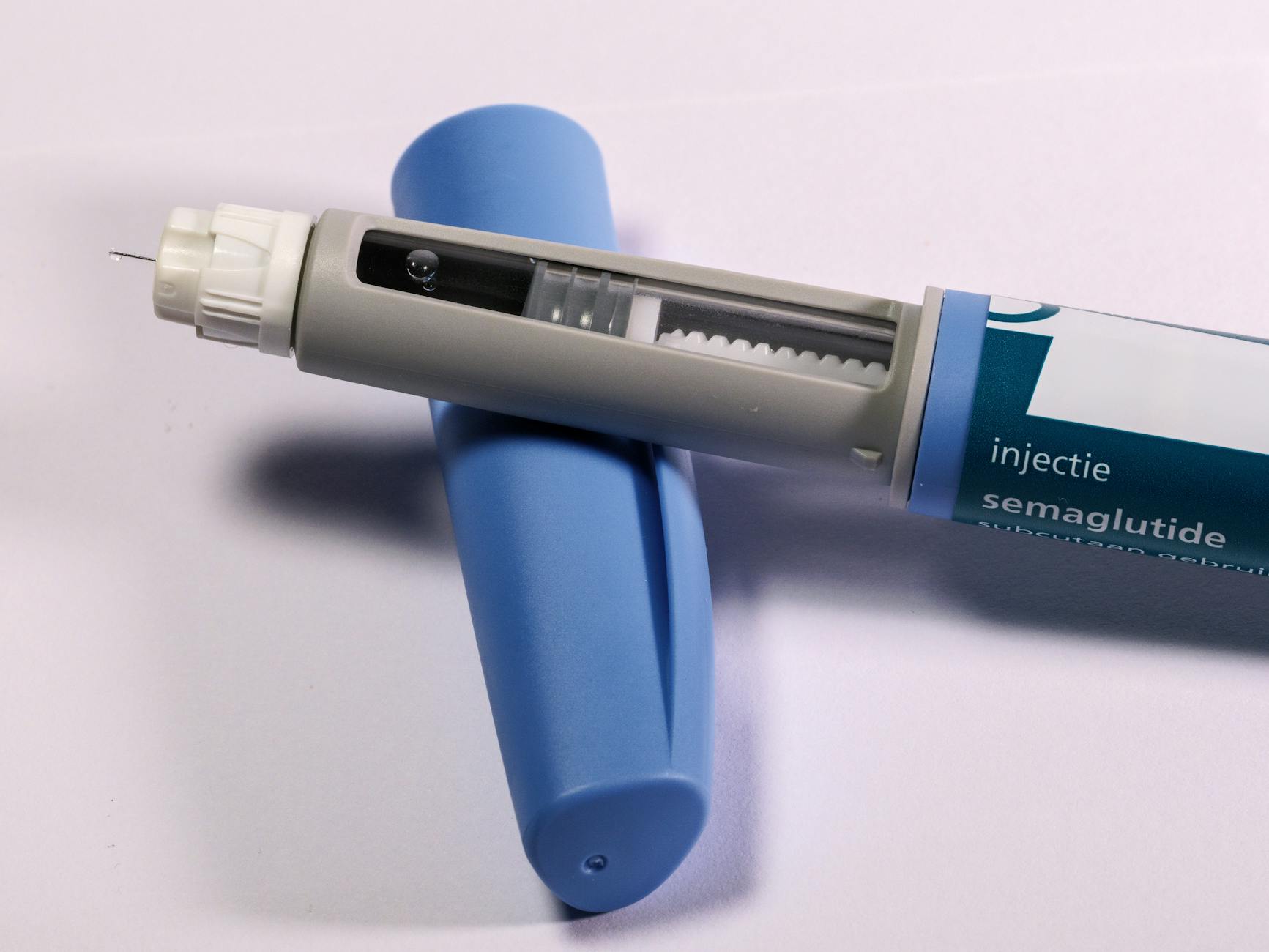
The GLP-1 shortage is over, and the FDA is closing compounding for semaglutide and tirzepatide. Deadlines, lawsuits, safety data, and what patients should know.
The FDA's advisory committee weighs BPC-157, TB-500, and five other peptides on July 23–24, 2026. What's at stake, and what the evidence really shows.
The FDA and HHS targeted deceptive drug ads in 2025, including GLP-1 telehealth marketing. What the crackdown covered and what patients should watch.
In August 2025 the FDA approved semaglutide (Wegovy) for MASH — the first GLP-1 cleared for a liver disease. What the accelerated approval requires.
The FDA cleared oral semaglutide (a peptide) and orforglipron (a small molecule) months apart. How the two GLP-1 pills differ — and why chemistry matters.
The agency's proposed determination would bar outsourcing facilities from compounding semaglutide, tirzepatide, and liraglutide from bulk active ingredient, unless a new shortage intervenes.
An FDA advisory committee is scheduled to meet on July 23 and 24, 2026, to review seven peptides — including BPC-157, TB-500, and Semax — for placement on a list that determines which substances licensed pharmacists may legally compound. The outcome of this review is significant because it directly affects whether compounding pharmacies can legally prepare and dispense these peptides to patients. This is a regulatory process, not a clinical endorsement or rejection of any peptide's effectiveness. Readers interested in how this affects their access to compounded medications should consult a licensed healthcare professional. This content is not medical advice.
The FDA maintains lists that govern which bulk active ingredients compounding pharmacies are permitted to use when preparing medications. If a substance is placed on the list of substances that may be compounded, pharmacists may legally include it in compounded preparations under applicable regulations. If a substance is excluded or not included, compounding pharmacies generally cannot legally use it. The July 2026 advisory committee hearing for BPC-157 and other peptides is part of this review process. Individuals with questions about access to specific compounded medications should speak with a licensed pharmacist or physician. This content is not medical advice.
As of May 1, 2026, the FDA proposed a 'no clinical need' determination that would bar outsourcing facilities from compounding semaglutide, tirzepatide, and liraglutide from bulk active ingredients. This proposed rule would apply unless a new drug shortage occurs that might change the regulatory situation. This is a proposed determination, meaning it was not yet finalized as of that reporting date. Patients currently using or considering compounded GLP-1 medications should discuss implications with a qualified healthcare provider. This content is not medical advice.
Based on the reporting from Peptide News Network, the FDA's proposed GLP-1 determination specifically targets outsourcing facilities compounding from bulk active ingredients, which is a distinct regulatory category from traditional compounding pharmacies. Outsourcing facilities operate under Section 503B of the Federal Food, Drug, and Cosmetic Act and can compound medications without individual patient prescriptions for distribution to healthcare facilities, while traditional pharmacies operate under different rules. The regulatory distinctions between these categories affect which rules and proposed determinations apply to each. For specific legal or clinical questions, consult a licensed clinician or regulatory attorney. This content is not medical advice.
According to Peptide News Network's reporting, the July 23–24, 2026 FDA advisory committee is reviewing seven peptides, with BPC-157, TB-500, and Semax specifically named in coverage. The review is focused on determining their status for the list governing legal compounding. The reporting does not specify all seven peptides by name. This regulatory review is a policy and legal process; it does not itself constitute medical guidance about these substances. Anyone with health questions related to these peptides should consult a licensed healthcare professional. This content is not medical advice.
This content is for informational purposes only and is not medical advice. Consult a qualified healthcare professional for any medical concerns, diagnosis, or treatment.